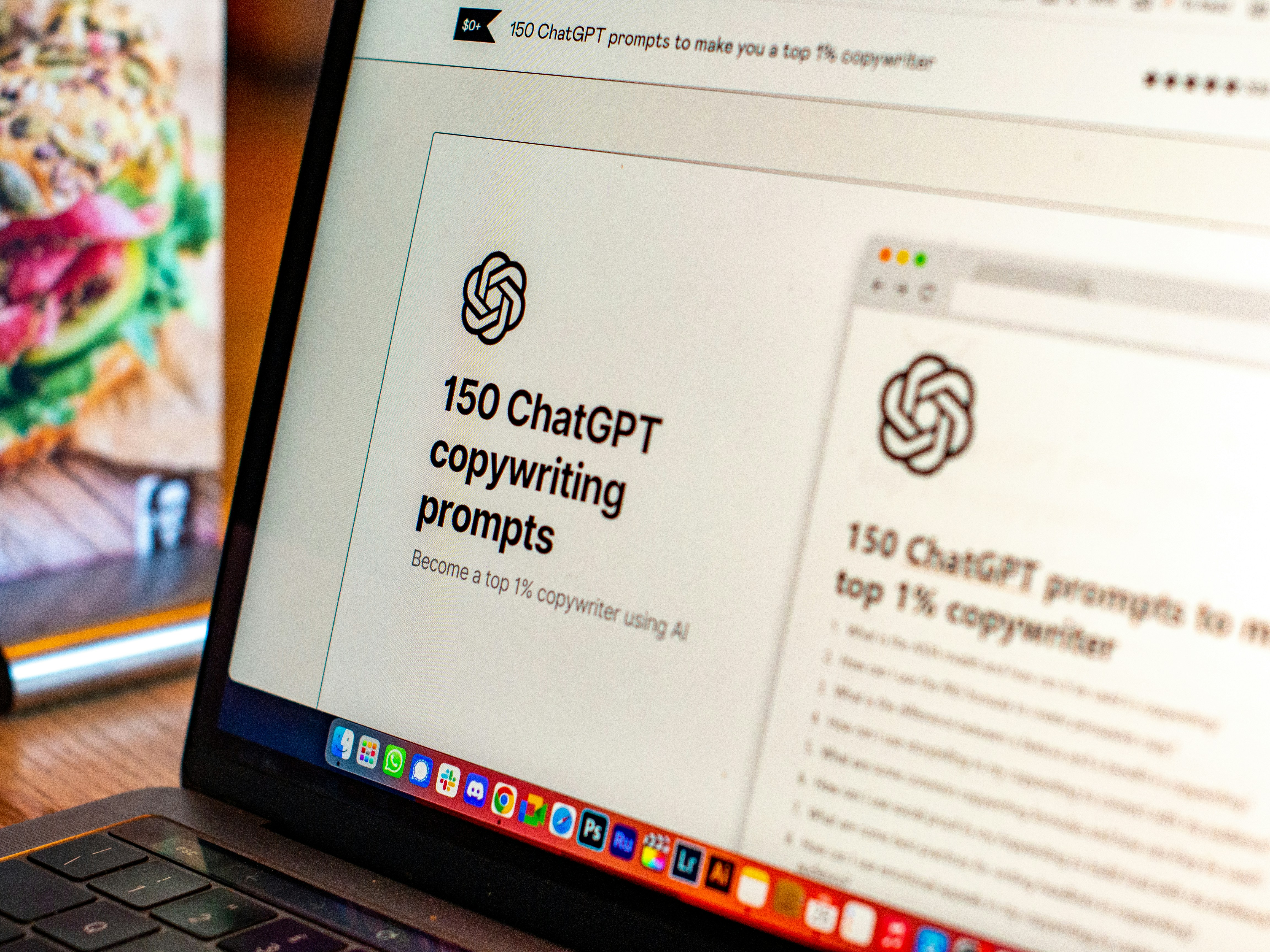
Introduction to Blogging and AI Article Writers
In the contemporary digital landscape, blogging has emerged as a powerful medium for individuals and organizations to share knowledge, express opinions, and foster communities. As a versatile platform, it serves a myriad of purposes ranging from personal journaling to professional marketing. With the proliferation of information online, blogging has gained significant importance as a means of communication and engagement. Individuals and businesses leverage blogs to connect with audiences, establish authority in their niches, and drive traffic to their websites.
The advent of technology has transformed the blogging experience, particularly with the introduction of AI article writers. These advanced tools are designed to assist writers, especially beginners, in creating content more efficiently. AI article writers utilize sophisticated algorithms to generate text that can mimic human writing styles. By integrating artificial intelligence into the writing process, these tools offer numerous benefits that simplify content creation.
One of the primary advantages of using AI article writers is the considerable amount of time they save. Instead of spending hours crafting content from scratch, bloggers can input keywords and topics to receive well-structured drafts almost instantaneously. This expediency is particularly valuable for those balancing multiple responsibilities or those who may be inexperienced in writing.
Moreover, AI article writers have the potential to enhance creativity. These tools provide a rich pool of ideas, variations, and insights that can inspire writers to explore new angles on topics. This characteristic can be immensely beneficial when dealing with writer’s block, as the AI can suggest content directions that a writer may not have initially considered. Ultimately, incorporating AI article writers into the blogging workflow not only streamlines the content creation process but also encourages a more innovative and productive approach to writing.
Understanding Your Blogging Niche
Identifying a specific niche for your blog is crucial to establishing your unique voice and attracting a dedicated audience. A niche refers to a specialized segment of the market that you can focus on based on your interests and expertise. Selecting the right niche not only clarifies your blog’s purpose but also aids in content creation, ensuring that you remain passionate about your subject and can provide valuable insights to readers.
When considering a niche, it is advisable to reflect on your personal interests and knowledge. Evaluate topics you enjoy discussing, and assess your skills and experiences related to those subjects. This personal connection will help maintain your motivation over time. However, passion alone may not be sufficient; understanding your audience and their needs is equally important. Conducting market research can provide insight into what potential readers are searching for.
Utilizing online tools such as Google Trends, social media platforms, and keyword research tools can help you gauge interest levels in various topics. Analyzing search volume and audience demographics will enable you to make informed decisions about which niche to pursue. Furthermore, assessing competition is essential—identifying existing blogs within your chosen niche can provide insights into what works well and what gaps you can fill. This analysis ensures you carve out a space for your blog while also allowing for differentiation from others in the field.
As you proceed with your niche selection, remember that flexibility is essential. Your initial niche may evolve as you delve deeper into blogging and understand your audience better. By consistently analyzing trends and engaging with your readers, you can fine-tune your focus to keep your blog relevant and rewarding, both to you and your audience.
Choosing the Right AI Article Writing Tool
When venturing into the realm of blogging, selecting the appropriate AI article writing tool is a critical first step. The market is saturated with various AI writing tools that cater to different needs and proficiency levels. Understanding the features, usability, and pricing of these tools can significantly influence a beginner’s experience and overall success in blogging.
One prominent tool in the AI writing space is Jasper, known for its user-friendly interface and versatility. Jasper allows users to generate creative, engaging content across numerous topics. Its advanced features include templates for different types of writing, making it an excellent choice for bloggers focused on content diversity. However, it comes at a premium price, which may not be suitable for all budgets.
Another noteworthy option is Copy.ai, which offers a free tier alongside its paid plans. This makes it an attractive option for beginners, allowing them to experiment with its capabilities without financial commitment. Copy.ai is particularly effective at brainstorming ideas and enhancing productivity, but it may lack some of the advanced functionalities found in more expensive models.
Writesonic is also gaining popularity, primarily due to its balance of features and affordability. It supports an array of writing styles and is often favored for its intuitive design, making it easy to generate high-quality content with minimal input. This aspect appeals to beginners who may feel overwhelmed by more complex tools.
Ultimately, the choice of an AI article writing tool should be informed by individual blogging needs, budget constraints, and desired features. Beginners should consider starting with a free trial or lower-tier plan to test the tool’s effectiveness before committing to a long-term subscription. Evaluating these aspects will ensure a suitable match, enhancing the overall blogging experience.
Setting Up Your Blog Platform
Getting started with blogging necessitates selecting a suitable blog platform that aligns with your needs and goals. Among the various blogging platforms available, WordPress and Blogger are popular choices among novice bloggers due to their user-friendly interfaces and robustness.
First, consider the characteristics of each platform. WordPress offers a high degree of customization through a variety of themes and plugins, allowing you to create a unique blog that reflects your personal style. In contrast, Blogger provides a simpler setup process and integrates seamlessly with Google services, making it an attractive option for those who prefer ease over extensive customization.
Once you have chosen a platform, the next step involves selecting a domain name. This is crucial as your domain name is essentially your blog’s address on the internet. Choose a name that is memorable, reflects your blog’s content, and is easy to spell. Tools like Namecheap or GoDaddy can assist you in checking the availability of your desired domain.
After securing a domain name, consider your hosting options. If you opt for WordPress, you will need a web hosting service such as Bluehost or SiteGround that supports WordPress installations. These providers offer various plans depending on your needs, often including features such as one-click installs, security, and customer support. However, if you choose Blogger, hosting is provided under the Google platform, eliminating the need for an external host.
To summarize this process, first, select a blogging platform that suits your requirements. Next, choose a catchy and relevant domain name, and finally, decide on a reliable hosting service. Following these steps will set a strong foundation for your blogging journey.
Generating Content Ideas with AI Article Writers
For beginners venturing into the blogging realm, generating consistent and engaging content ideas can be challenging. Fortunately, AI article writers can serve as a valuable ally in this process. These tools are equipped to furnish users with a myriad of ideas that cater to various niches, allowing bloggers to streamline their brainstorming sessions effectively.
To maximize the potential of AI in generating content ideas, bloggers should begin by identifying their target audience and primary niche. Inputting keywords related to their topic into the AI tool can yield a range of ideas that align with current trends and audience interests. For instance, if a blogger’s niche is travel, they might use keywords such as “best travel destinations” or “affordable travel tips” to produce relevant suggestions.
Additionally, AI tools can aid in creating topic outlines and writing prompts. Bloggers can leverage these features to develop structured content that flows logically from one point to the next. Once a list of potential ideas is generated, structuring them into outlines can help in visualizing how each topic intersects. This organized approach not only simplifies the writing process but also ensures comprehensive coverage of each subject.
Moreover, these AI systems often utilize algorithms that analyze web content, making it easier for users to refine their ideas based on competitive analysis. By reviewing what similar blogs have published, writers can discern gaps that they could fill with their content, ensuring originality and increased engagement. Through the integration of AI article writers into their content creation process, beginners can enhance their ability to generate compelling ideas and maintain a consistent content calendar.
Writing Blog Posts with AI Assistance
In the realm of digital content creation, AI article writers have emerged as an invaluable resource for bloggers, particularly for those in the early stages of their writing journey. Utilizing AI tools can significantly enhance the writing process, making it more efficient and structured. This section delves into how to effectively leverage AI to draft, edit, and improve blog posts.
To begin the blogging process with AI assistance, one should first outline the main ideas and topics to address. Most AI writing tools can help generate an outline based on a few prompts you provide. This is a great starting point, as a well-organized structure is crucial for clear communication. By inputting keywords and desired themes, AI can suggest headings, subheadings, and key points, paving the way for a coherent and focused post.
Following the generation of an outline, the drafting stage can commence. AI article writers can assist in expanding short prompts into full paragraphs, ensuring that the content stays on topic and flows logically. Additionally, many tools offer language enhancement features, such as suggesting synonyms or altering sentence structures to improve readability. These features can help maintain an engaging and professional tone throughout the blog post.
Once the initial draft is complete, employing AI for editing can be incredibly beneficial. AI tools can identify grammatical errors, awkward phrases, and inconsistencies in tone, allowing for a polished final product. Furthermore, they can provide insights into the overall readability of the content, ensuring it meets the target audience’s comprehension levels. Utilizing such AI capabilities not only streamlines the writing process but also enhances the overall quality of the blog post.
By integrating AI tools into the blogging workflow, writers can empower themselves to produce high-quality content efficiently. In addition, the use of AI can inspire creativity and allow for new ideas, ultimately enriching the blogging experience.
SEO Best Practices for AI-Generated Content
Implementing effective SEO practices is crucial when utilizing AI-generated content to ensure that it reaches a wider audience. One of the first steps in this process is conducting thorough keyword research. Identifying relevant keywords allows you to understand the terms and phrases your target audience is using. Tools such as Google Keyword Planner or Ahrefs can facilitate this research, revealing high-volume search terms and long-tail keywords that resonate with your niche.
Once you have established a set of target keywords, it’s vital to incorporate them strategically throughout your content. This includes using them in key places such as the title, headers, meta descriptions, and naturally within the body text. However, it is essential to maintain readability and user engagement; hence, avoid excessive keyword stuffing. The focus should remain on providing valuable information that aligns with user intent.
On-page SEO is another integral component of optimizing blog posts. This involves the proper formatting of content, including the use of headings, subheadings, bullet points, and images. Not only do these elements enhance user experience, but they also help search engines comprehend the structure of your content better. Furthermore, optimizing image alt texts and ensuring that page load times are minimal can contribute positively to your SEO efforts.
Additionally, incorporating internal and external links is beneficial. Internal links direct users to other relevant pages within your website, enhancing site navigation and engagement. Conversely, external links to authoritative sources establish credibility and can improve your overall search rankings. By adhering to these SEO best practices, you can effectively increase the visibility of AI-generated content and attract organic traffic to your blog.
Promoting Your Blog Using AI Tools
Once your blog is established and populated with content, the next crucial step is to promote it effectively. Leveraging AI tools can enhance the visibility of your blog and streamline your marketing efforts significantly. One of the primary avenues for promotion is social media marketing. AI tools can assist in scheduling posts, analyzing user engagement, and targeting specific demographics. For instance, platforms like Buffer or Hootsuite utilize AI to suggest optimal posting times and identify which content resonates most with your audience.
Another effective strategy is employing AI in email marketing. Email marketing remains one of the most effective methods for engaging with your audience. AI-powered tools such as Mailchimp can help segment your audience based on their behaviors and preferences, allowing you to send personalized content that aligns with their interests. This level of customization not only improves engagement rates but also promotes increased traffic to your blog as subscribers are more likely to click on links that appeal directly to their needs.
Furthermore, analytics play a critical role in tracking the performance of your blog. By using AI analytics tools like Google Analytics or SEMrush, you can gain valuable insights into visitor behavior, popular content, and referral sources. Such insights allow you to make informed decisions about future content themes and promotional strategies. Moreover, employing AI in content optimization can improve your blog’s SEO, making it easier for potential readers to discover your posts through search engines.
Incorporating these AI-driven strategies into your promotional efforts can significantly enhance your blog’s reach and performance, creating a solid foundation for growth and success in the competitive blogging landscape.
Conclusion and Next Steps for Aspiring Bloggers
As we conclude this beginner’s guide to blogging with AI article writers, it is important to reiterate the essential concepts discussed throughout the post. Starting a blog can be a transformative experience, allowing individuals to share their passions, knowledge, and creativity with a larger audience. Utilizing AI tools can streamline the writing process, making it easier for beginners to generate engaging content and explore different writing styles.
In your blogging journey, remember the importance of choosing a niche that resonates with your interests and expertise. This not only enhances your ability to produce quality content but also helps attract a dedicated readership. Additionally, leveraging social media and SEO principles will expand your blog’s reach and visibility online, essential tactics in building a successful blog.
For those eager to take concrete steps forward, consider joining online blogging communities where you can learn from others, share experiences, and gain valuable feedback on your work. Websites such as Reddit, Facebook groups, or dedicated forums offer a wealth of information and support from fellow bloggers and content creators.
Furthermore, engaging with educational resources such as online courses can enhance your understanding of effective blogging practices. Platforms like Udemy, Coursera, and Skillshare provide numerous courses focused on blogging, SEO, and content creation. These resources can significantly improve your skills as you persist in the world of blogging.
In summary, the journey of blogging is an ongoing learning experience. By taking actionable steps, seeking out communities, and utilizing available resources, aspiring bloggers can effectively navigate their blogging adventures. The combination of a focused approach to writing and the support from fellow bloggers and educational tools will enable you to establish a successful blog and enjoy your creative process. Start today and embrace the opportunity to share your voice with the world!